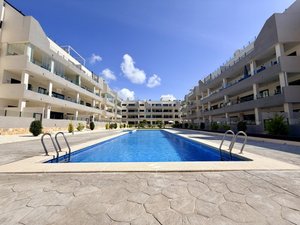
This week we bring an article from Spotblue, one of our collaborators:
For decades, European pensioners have enjoyed spending winter in Spain. Escaping cold places like the UK and Germany, they find Spain cost-effective for bargains. As the internet encouraged independent travel, Spain also diversified itself to promote tourism and add diversity to the travel market.
Indeed, holidays are no longer about summer, beaches and rooftop al fresco dining, but many people live or spend Christmas and New Year there. There are many advantages to travelling as well. Spain’s winter season runs from the end of December to March. So, whether you want to spend three months or are just visiting, these tips and advice will enhance your visit.
What is the Weather Like?
Spain has several climate zones, so research local hours of sunshine, rainfall, and temperatures rather than countrywide averages. Southern areas are warmer than northern areas, but inland destinations at higher altitudes, like Granada, experience colder degrees. Southern regions and popular places include…
- Andalucía – Sevilla, Málaga, Nerja, Marbella and Fuengirola. Aside from its relaxation, Andalucía hosts famous golfing destinations, that easily matches the likes of Portugal.
- Murcia – South-East – This province features high-profile areas like the Costa Calida, which attracts international expats and home buyers.
- Valencia –Alicante, Javea, and Benidorm. Like Andalusia, Valencia’s ideal year-round weather makes the region, excellent for tourism and expats who reside year-round.
- Catalonia features the famous city of Barcelona and the Costa Brava, a north-eastern coastline. The region also earns international fame for its local traditions and food.
Northern regions with colder temperatures include Galicia, the Basque Country, Asturias and Costa Verde, Cantabria and Santander in the Bay of Biscay, Castile, and Leon, Spain’s largest region. Bilbao, a northern city in the Basque Country near the Atlantic coast, about 14 kilometres from the Bay of Biscay has a strong Basque identity, unique language, and rich industrial history. The city is especially famous for the Guggenheim Museum.
Christmas Markets
Most people think of Germany or Switzerland for Christmas fairs, yet Spain also delivers good selections. Fira de Santa Llucia in Barcelona dates to the 18th century. Find the fair in the old Gothic district, and enjoy over 200 stalls selling various gifts and Christmas delights. The Plaza Mayor area in Madrid wholeheartedly embraces festive Christmas spirit with 100 booths, while Valencia goes big and bold with its vast market. Also, enjoy the funfair, which runs until mid-January. Other places to enjoy Christmas fairs include Seville and Granada.
Skiing and snow

Think again if you think holidays are all about walking, historic places, and indoor tourist museums. Although Spain cannot match France for skiing, there are decent resorts. Enjoy the long season of the Sierra Nevada Mountain peaks and visit Zaragoza in the Pyrenees, home to the Panticosa and Formigal ski resorts. Still, the biggest, Aramon, holds a Pyrenees Christmas market in the Plaza del Pilar from December through to January. Do visit the capital city, Zaragoza, which screams of history.
Warmest Place During Winter

For the warmest degrees, try the Canaries. These include Gran Canaria, Fuerteventura, Lanzarote, and Tenerife. Tenerife features Mount Teide, a famous volcano. The Canary Islands’ subtropical climate zone evokes warm temperatures in January. Additionally, rainfall is roughly 10 inches from November to December. This makes their climate like Spring, and people can swim and sunbathe on beaches. As a result, Tenerife and Gran Canaria are firm favourites for many nationalities.
Other Beautiful Places
Stylish Barcelona: The Costa Brava rarely drops below 15 degrees, and daytime exploration will be fun. Barcelona has cultural art heritage, activities, vibrant nightlife, and shopping scenes that are worthy of Europe’s honour. So naturally, holidaymakers beat crowds in Barcelona and enjoy blue skies and warm sunshine.
Beautiful Seville: Seville is a lovely city. It has fascinating cultural and European history. It has kept traditional Spanish vibes while fully embracing modern living. At the beginning and end, expect to see streetside and pavement cafes portraying European culture. Seville wholeheartedly indulges in cultural events and festivals, but visit the prized 15th-century Seville Cathedral.
Malaga City: This region, another firm favourite among pensioners, offers glorious daytimes. Sitting on the great Costa del Sol, Malaga offers beachside getaway hotspots and promenade lifestyles, though the weather is too cold to swim. Gilbralfaro Palace, Alcazaba fortress, and Picasso Museum are popular attractions. Other attractions include Alameda, Larios Street, Chinitas Passage, Alcazabilla Street, Plaza La Merced, and the Old Quarter.
Granada: At the foot of Spain’s Sierra Nevada Mountains, Granada gets cold, but Spain’s most famous ski resort is just an hour’s drive away. Do visit Granada’s top attractions: the Alhambra Palace, Granada Cathedral, the Flamenco caves, and the Albaicín district.
Great Madrid: This famous weekend destination is the coldest city in winter, but it enjoys pleasant sunshine, especially in the afternoon. Expect somewhere between 3 and 10 degrees, and there is plenty to see and do. Expect the usual vibrant bar and tapas scene from Madrid, interesting Spanish architecture, local day tours, and fantastic vibes.

Alicante: Situated on Spain’s southeastern coast in the Costa Blanca, this popular holiday and expat destination offers miles of sandy beaches lined with palm-shaded promenades. Despite its popularity, Alicante has maintained authentic Spanish vibes, and visitors find plenty to do.
Mallorca: Also called Majorca, this Balearic Island boasts of hidden coves, limestone mountains, and Moorish remains. All travel guides say that Palma, the island’s capital, is the most popular winter destination. The city boasts a marvellous 13th-century cathedral and cosmopolitan vibes of daily winter life. Aside from that, some people also stay in Ibiza, another Balearic Island.
High-end Marbella: Marbella sits on southern Spain’s Costa del Sol, in the province of Malaga, attracting wealthy visitors and expats. The Sierra Blanca Mountains back it; golf courses reign supreme, and for those who want to splash the cash, the golden mile and Puerto Banus, features luxury yachts, marina, and designer boutiques.
Why Expats Like Spain in Winter
Milder Climate & Diverse Destinations: Coastal areas like Murcia, Alicante, and the Costa del Sol enjoy sunny days and comfortable temperatures. The Canaries are especially popular with expats, with summer-like weather in January. Nature lovers can explore scenic spots like Poo beach in Asturias or cultural landmarks such as the Alhambra in Granada and the old towns of Toledo and Bilbao.
Events & Culture: Life is far from dull, with celebrations like Carnival, Three Kings Day, and early preparations for spring break and Holy Week. Cities like Madrid offer world-class museums, such as the Reina Sofía, perfect for indoor cultural escapes.
Cost of Living & Currency Benefits: Spain generally offers better value for euros than the UK or northern Europe. With the British pound subject to the Bank of England’s decisions on interest rates, inflation, and the potential for a recession, Spain remains a relatively affordable place to stretch your holiday or travel funds. Currency exchange rates fluctuate, but many expats find a financially savvy base when compared to destinations like Cyprus or Malta.
Practical Considerations for Expats
- Post-Brexit, UK citizens must follow the ’90-day rule’ for stays in the Schengen area. Planning your months carefully is key.
- Property owners should factor in IBI (property tax) and utility bills, though many apartments come with WIFI and air conditioning (some even offer heating via reverse AC).
- Flights are frequent and reasonably priced, with easy connections to the UK, Portugal, Morocco, and beyond.
- Check heating: Spanish homes can get chilly at night — make sure your apartment has heating or a portable radiator.
- Healthcare: Retirees can use the S1 form; others should arrange suitable travel insurance.
- Stay social: Join local Facebook expat groups, walking clubs, or language exchanges.
- Transport: Choose locations with good public transport if you don’t plan to drive.
Summary List: Why Expats Love Spain in Winter
- Mild weather in southern regions
- Cultural attractions like the Reina Sofia and the Alhambra
- Festivals: Carnival, Christmas, New Year, Three Kings
- Euros offer better value than the British pound
- Easier currency exchange, even with economic factors like inflation and interest rates
- Good for winter holidays and avoiding the post-Brexit 90-day rule
- Affordable rentals, with IBI (property tax) manageable for homeowners
- Quick trips to Portugal, Morocco, or even back to the UK
- Reliable WIFI and modern amenities like air conditioning
- Easy access via budget flights
Often Asked Questions
How cold is Spain in winter?
- Spain ranges from snowy and subzero in the north to sunny in the Canary Islands.
- If you want sun and warmth, head south or to the islands.
- For a wintery, festive vibe, central and northern Spain are ideal.
Does it snow in Spain?
Yes, but mainly in the mountains (e.g., the Pyrenees and Sierra Nevada) and in some inland areas like Madrid, Burgos, or Ávila.
Which part is warm in winter?
The warmest part in winter is the Canary Islands, located off the northwest coast of Africa. This region enjoys a subtropical climate, with average daytime degrees of 24°C for sun-seekers.
What is the coldest month?
- The coldest month is typically January.
- In central and northern Spain (e.g., Madrid, Burgos, or León), January often brings frost, snow, and night times can drop below 0°C (32°F).
- In the southern regions like Andalusia (e.g., Córdoba, Granada), days are milder, but nights can still get cold.
- Along the coasts and in the Balearic and Canary Islands, January is much milder, with daytime temperatures often staying around 15 Celsius.
- So, while January is the coldest overall, how cold it feels really depends on where you are.
Warm Spanish Regions During Winter
Tenerife, Gran Canaria, Fuerteventura, Lanzarote
For guaranteed warm weather, it’s hard to beat the Canary Islands. Average winter temperatures hover around 21 °C, making it Europe’s true winter-sun escape. Expats often base themselves in Tenerife, Gran Canaria, or Lanzarote, where English is widely spoken and the lifestyle is effortlessly relaxed. Whether it’s a beachfront apartment in Costa Adeje or a bungalow in Maspalomas, the islands promise both comfort and sunshine.
- Why it’s warm: Proximity to the equator and ocean moderates the climate year-round.
- Best for: Beach holidays, hiking, nature reserves (like the Jandía Nature Reserve in Fuerteventura), and winter sun.
- Popular beaches: Cofete beach, Maspalomas, Playa Blanca.
Southern Andalusia (Cádiz, Málaga, Almería)

- Cities: Málaga, Almería, Cádiz
- Daytime winter temps: Around 15–20°C
- Best for: Cultural travel, food, and history. Sites like the Mosque-Cathedral of Córdoba, Alcazar, and Cabo de Gata Nature Reserve.
- Níjar and Genoveses beaches are mild coastal spots in January.
Murcia and Costa Cálida
- Fewer crowds and winter temps around 16–18°C (61–64°F)
- Great for off-season beach breaks.
Balearic Islands (Ibiza, Menorca, Mallorca)
- Milder than mainland Spain but cooler than the Canaries.
- Good for hiking, cycling, and quiet coastal escapes like Menorca.
- For genuine warmth and reliable winter sun, try the Canaries where you can sunbathe in January or February.
Costa del Sol – The Classic Choice for British Expats
The Costa del Sol remains a top pick for British expats seeking sunshine without leaving Europe. With mild winters, vibrant expat scenes, and easy access from UK airports, it’s ideal for extended stays between November and March. Popular towns include Fuengirola, Benalmadena, and Marbella, each offering something slightly different, from affordable apartments and lively cafés to luxury marinas and golf resorts. The region also has excellent healthcare, public transport, and year-round amenities, making it one of Spain’s best-connected winter destinations.
Costa Blanca – Affordable Living and Friendly Communities
The Costa Blanca, in Alicante province, has one of the largest British populations, and offers 300 days of sunshine a year with lower living costs than the south coast attracting retirees and remote workers alike.
Benidorm, Jávea (Xàbia), and Torrevieja are three standout options. Benidorm stays lively all winter with locals and long-term visitors, while Jávea offers peace and international communities. Torrevieja sits somewhere in between with affordable, practical, and bustling even in the cooler months.
Summary – Is it worth going to Spain in the winter?
With vibrant cultural festivals, and stunning natural landscapes, winter is an ideal time for a break from colder northern climates. Much of Europe’s northern regions face freezing conditions. However, destinations like Menorca, Formentera, and Cádiz enjoy relatively warm weather. This weather is perfect for exploring or relaxing on quieter beaches like Genoveses or Cofete.
Events include the Carnival in Cádiz, the Tamborrada festival in San Sebastián, and early Holy Week preparations in Toledo and Córdoba. Iconic sites such as the Mosque-Cathedral of Córdoba, Toledo Cathedral, the Alcazar, and the Temple of Debod in Madrid are less crowded, and guided tours with private guides offer more profound insights into Spain’s rich heritage.
Nature lovers explore the Jandía Nature Reserve in Fuerteventura, hike the Picos de Europa and visit the dramatic coastline of the Cantabrian Sea. Places like Llanes, Ribadeo, and Las Catedrales beach show Spain’s wilder side, while in Andalusia, the Cabo de Gata Nature Reserve near Níjar offers rugged beauty and quiet coves. Although Poo Beach might raise an eyebrow, it’s a genuine and peaceful spot on the northern coast.
Original article by Spotblue: https://www.spotblue.com/news/your-guide-to-spending-winter-in-spain/